


We’ve been digging into a surprising and controversial leak that, if true, could change how PC toolsets reshape console visuals. DLSS 5 files have allegedly been pulled from the PC build of NBA 2K27 and rapidly injected into a swathe of major PlayStation 5 titles via their Steam ports, according to Push Square. The result, fans argue, is an AI-driven filter that alters character models in ways many find jarring — and that others oddly prefer.
What Was Reported
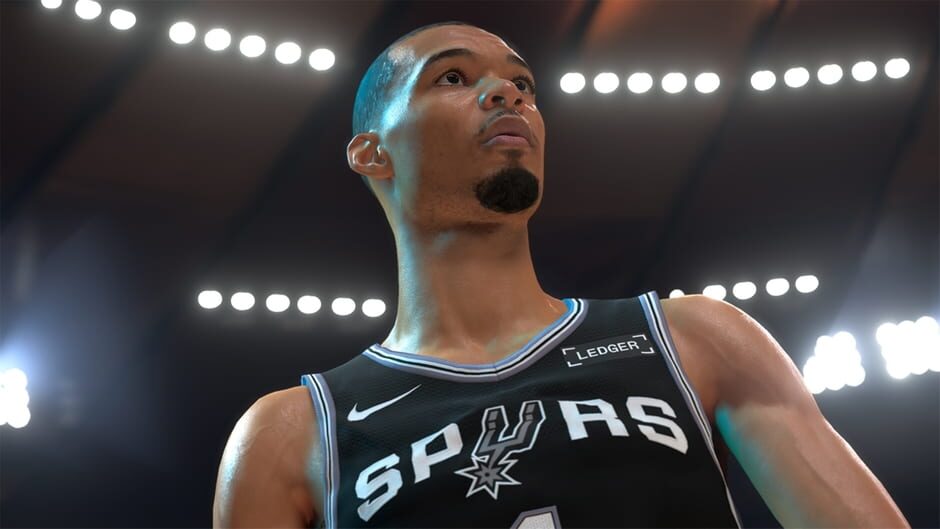
Per Push Square, the leaked filter differs from previous iterations of Nvidia’s upscaling tech by appearing to use generative AI to modify in-game character appearance rather than merely reconstruct pixels. Modders allegedly extracted a version of the technology from the PC build of NBA 2K27 and applied it across multiple titles.
Notable Examples Shown
- Resident Evil Requiem — an earlier example sparked backlash when Grace Ashcroft was reportedly “yassified.”
- Marvel's Spider-Man 2 — Mary Jane is said to look transformed, with bright red lips and darker eyes.
- The Last Of Us (Ellie example referenced) — Ellie allegedly appears older and mismatched with scene lighting.
- Final Fantasy 7 Rebirth — Cloud’s altered face has been called borderline parody by some observers.
These samples, taken together, have provoked a wide array of community reactions — from “nightmare fuel” to “actually looks better” — with many critics centring their ire on claims the filter strips away artistic intent.
The Source & Credibility
We’re flagging this as a leak and taking it with a pinch of salt. The details we’re reporting come from Push Square, which says files were pulled from the PC version of NBA 2K27 and then applied to several Steam ports of PlayStation exclusives. Push Square also notes an earlier Grace Ashcroft example that sparked complaints.
Nvidia has publicly pushed back on criticism, per Push Square. CEO Jensen Huang is quoted as saying it “doesn't change the artistic control.” He reportedly added: “This is very different than generative AI; it’s content-control generative AI. That’s why we call it neural rendering.” Take these statements with a pinch of salt — they’re Nvidia’s defence as reported by Push Square, and the leak’s downstream effects are what the community is currently responding to.
We reached for corroboration inside communities and scoured public clips and comparisons. Reactions are loud and split; some players find the adjustments more realistic, while others argue the filter makes characters generic or unrecognisable. Until independent verification of the leaked files happens, the provenance and full function of the leaked DLSS 5 implementation remain alleged, not confirmed.
What It Could Mean
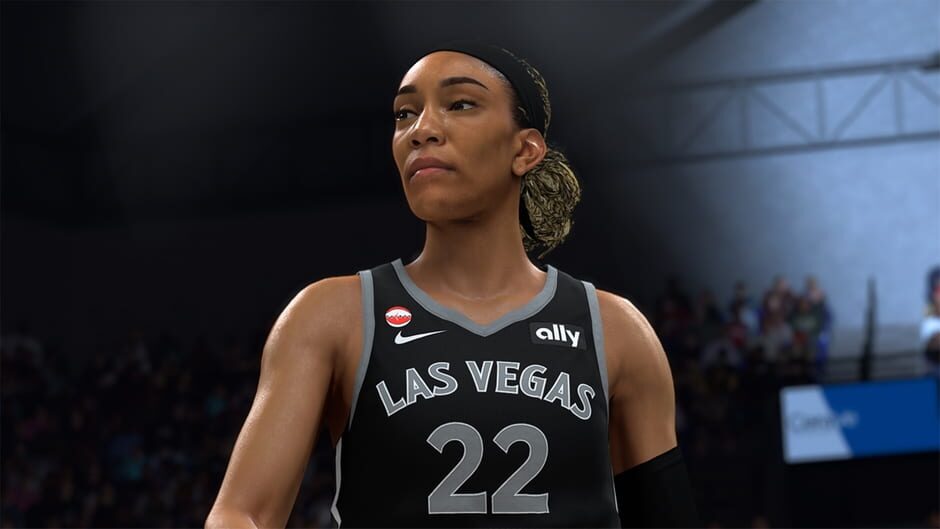
If the claims are accurate, this leak raises a handful of interesting possibilities and concerns for developers, players, and platform holders.
- Artistic Intent vs. Automated “Enhancement”: The core complaint is that a filter can overwrite a developer’s design choices. That debate is central to the backlash reported by Push Square.
- Modding And Cross-Platform Tooling: The alleged route — files taken from a PC sports title and applied to PS5 ports on Steam — highlights how powerful and mobile these AI-driven tools can be when leaked into modding ecosystems.
- Community Fragmentation: The split reactions suggest a future where optional AI filters could be embraced by some players and rejected by others, creating divergent visual experiences for single games.
This is not the first time leak-driven chaos has reshaped community conversations — it follows other high-profile leaks we’ve tracked, such as the nearly 30 minutes of GTA 6 gameplay that stirred debate — and it slots into an ongoing pattern of cross-platform leak fallout that we’ve covered, including a recent look at Marvel Tokon Platinum-related leaks.
Why This Matters
This matters because it touches on ownership of visual identity in games. If an AI filter can be applied post-launch and significantly alter character design, developers could lose control over how their work looks in public-facing captures, streams, and user-shared clips. That’s a cultural and legal grey area we’re watching closely.
We’re continuing to monitor community evidence, official statements, and any technical analysis that can verify exactly what these leaked DLSS 5 files do. For now, treat the story as an active leak with meaningful implications — and, if true, a watershed moment in how AI tooling intersects with artistic direction in games.

