
We’re flagging a potentially explosive claim about AI in game development that, if true, could reshape how studios talk about the tools they use. According to Insider Gaming, a new study from Game Oracle alleges that AI use in game development correlates with dramatic drops in player reception and commercial interest.
What Was Reported
Game Oracle, per Insider Gaming, reportedly finds that AI decreases game reviews by approximately 53%. The study also claims that AI usage “affects the number of wishlists a game gets on Steam,” and that there is an observable penalty for higher-potential projects.
Key quoted findings include a blunt summary: “If ‘good’ studios are using AI, then AI use is catastrophic (-40% to -60% drop in sales)… Overall, our data suggests that for low-quality games, AI makes no difference. But for high-potential games, the ‘AI Stigma’ is real and severely punishes developers who otherwise would have succeeded,” the study allegedly states.
The report, again per Insider Gaming, does not say developers should never use AI. It reportedly concludes that AI “should not be avoided” because it’s a tool, but it’s “not a replacement for hard work” and must be used with caution.
The Source & Credibility
We’re relying on Insider Gaming’s coverage of the Game Oracle report for these claims. The piece was published by Robert DeFelice for Insider Gaming, who relays the study’s conclusions and includes context about industry reaction. Take this with a pinch of salt: we have not seen the full Game Oracle dataset or methodology in this write-up, and the numbers are framed as findings reported by Insider Gaming.
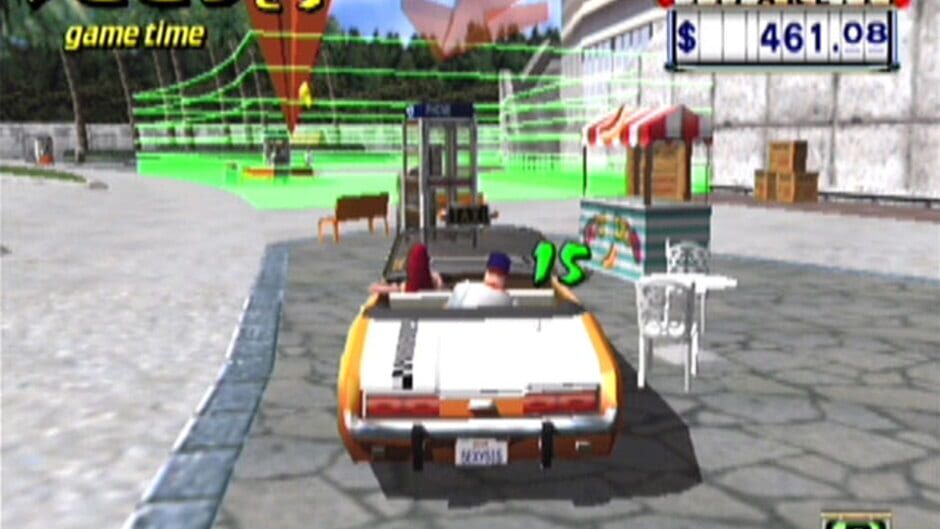
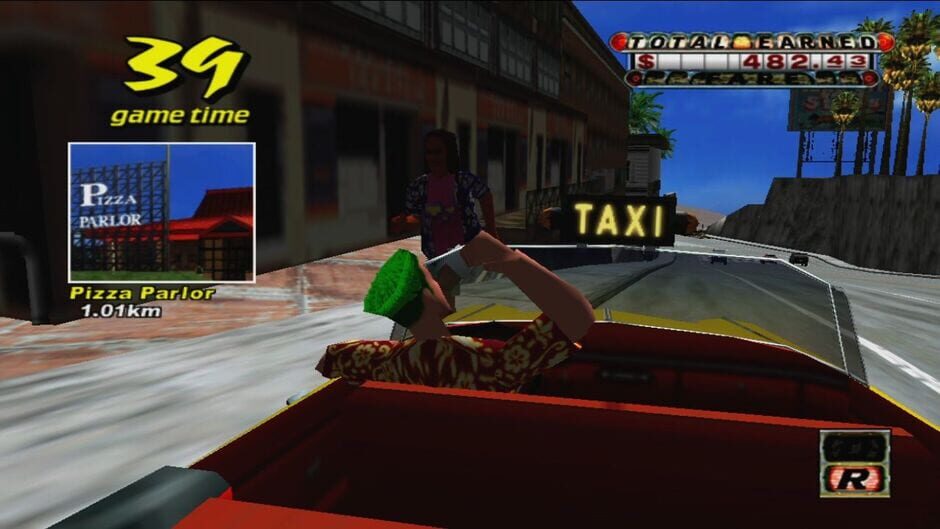
Other evidence cited alongside the study’s results is more anecdotal: the report sits within ongoing debates around AI in games, where “player backlash” is described as strong and companies have already felt heat when AI involvement was revealed. Sega is called out specifically in Insider Gaming’s coverage for having faced backlash after it was revealed AI was used in the development of the forthcoming Crazy Taxi game.
How Cautious You Should Be
- We’re presenting the study’s claims as they were relayed by Insider Gaming; independent verification is not included in that coverage.
- The alleged numbers are sharp and startling — but they require scrutiny of sampling, controls, and definitions of “AI use” before they can be treated as definitive.
What It Could Mean
If the Game Oracle findings are accurate, the implications are significant. A widespread perception that AI usage harms reviews and wishlists could force studios to change how they disclose tools or to avoid publicizing AI use altogether. Insider Gaming’s coverage references industry friction on this front — including commentary from the CEO of Epic Games arguing against Valve’s mandatory AI disclosure on Steam, saying developers are being forced to choose between being marked with the “Scarlet Letter” of AI or enduring longer development times.
That dynamic, if true, would place teams in a bind: use AI and potentially suffer a consumer backlash that — according to the reported figures — could crater review scores and sales; or avoid AI to preserve public perception but lose efficiency gains and possibly extend development timelines.
There’s also a nuance in the study’s alleged claim that AI appears to “make no difference” for low-quality games but “severely punishes” high-potential titles. If accurate, this suggests the harm is not evenly distributed and may disproportionately impact studios banking on a breakout hit.
Why This Matters
We care because the stakes are both creative and commercial. If AI carries an “AI Stigma” that affects reviews, wishlists, and sales — and if large studios and platforms respond with disclosure rules or public debate — development strategies and public messaging will have to change. The Insider Gaming piece offers a sharp warning: use AI thoughtfully, and be prepared for public scrutiny.
We’ll be watching closely and urge readers to treat these numbers as early, consequential claims that demand verification. For now, the narrative that “AI can help but can also hurt” is being backed by a study that alleges major negative effects — and that’s a claim we’re treating seriously, if cautiously. Sound off in our Discord if you’ve seen AI’s effects firsthand on reviews, wishlists, or player reaction.


