

We’ve been following the swirl of stories around Xbox’s recent cuts closely, and one of the louder claims — that id Software’s long-running engine, id Tech, had been reduced to a single person — has now prompted a brief rebuttal from Xbox. Take this with a pinch of salt, but per Pure Xbox, the response is clear: there are "dozens" still attached to the engine across multiple locations.
What Was Reported
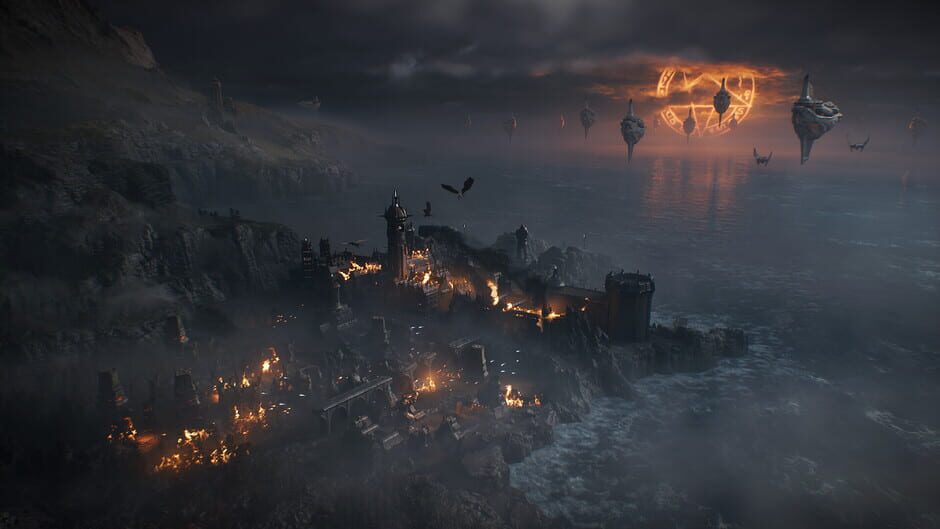
Multiple reports and rumours have painted a grim picture of id Software in the wake of the Xbox layoffs, with some coverage suggesting the studio was cut in half. More sensational claims went further, alleging that "just one person was left working on id Tech."
Per Pure Xbox, Xbox pushed back on that particular line of reporting with a short statement to Kotaku and Windows Central:
The Statement
"There are dozens of people working on id Tech across multiple locations. Reports that there’s only one person left in Texas are inaccurate."
The engine in question — labelled id Tech — is noted in reporting as the technology originally developed by id Software back in the '90s (then known as the Quake Engine) and has evolved through many iterations. It is cited as being used most recently for titles such as DOOM: The Dark Ages and Indiana Jones and the Great Circle.
The Source & Credibility
Per Pure Xbox, the Xbox message was relayed to two outlets: Kotaku and Windows Central. That puts the correction on record with established games outlets, but — as always — these are statements from the publisher’s side.
Competing Claims
- Kotaku reportedly highlighted what it called the "devastating" scale of cuts at id Software and relayed a source who feared "id Tech as a technology is probably dead forever", adding that the team "in charge" of id Tech had been let go that week;
- Windows Central's Jez Corden, per reporting cited by Pure Xbox, says his sources indicate Microsoft currently doesn’t plan to force id Software or MachineGames to move to Unreal Engine, and he argues doing so would be "miserably short-sighted" and "fiscally irresponsible".
There are also claims that MachineGames is already using a branch of id Tech for Wolfenstein 3. So the narrative is fragmented: some sources describe severe cuts and potential death of the technology, while Xbox asserts a continuing, multi-location team working on the engine.
In short: if true, the Xbox statement directly contradicts the most extreme version of the rumours. If you’re trying to parse credibility, take both sides with a pinch of salt and watch for further confirmations.
What It Could Mean
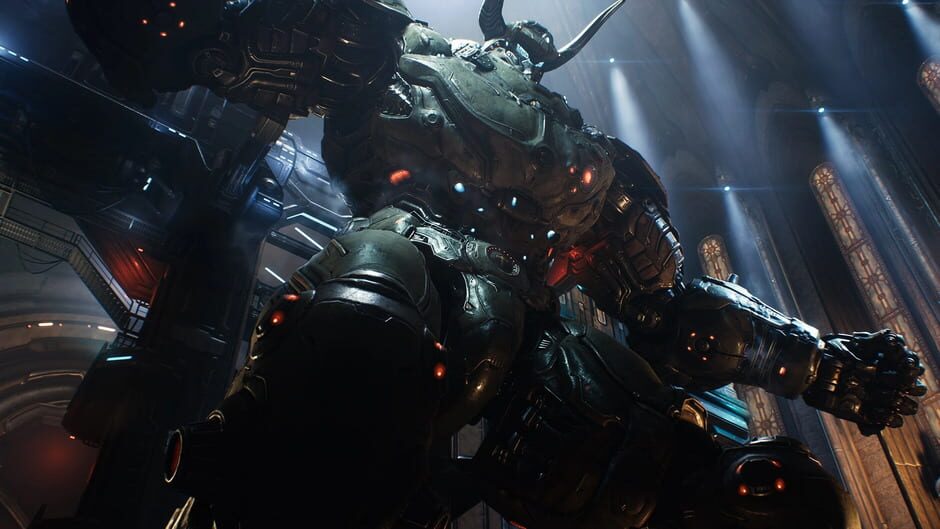
If Xbox is correct and there really are "dozens" working on id Tech across multiple locations, that would suggest the engine still has active internal support at Microsoft’s studios. That could soothe fears that Microsoft might immediately push teams toward third-party middleware like Unreal Engine.
Conversely, the reporting cited by Kotaku — including the claim that the team "in charge" of id Tech had been let go and the quote that the tech might be "dead forever" — points to deeper organisational disruption. If those cuts are accurate, the engine’s future could be at risk despite Xbox’s statement.
Windows Central’s Jez Corden, per Pure Xbox, suggests Microsoft currently has no plan to force a migration to Unreal Engine and adds a financial argument against such a move, quoting concerns about "monopolistic price increases" if reliance on external engines increased. Per that logic, investing in id Tech, not abandoning it, would be the preferred path.
Why This Matters
Engine decisions ripple across multiple projects. id Tech powers recent games like DOOM: The Dark Ages and Indiana Jones and the Great Circle, and is reportedly in use for titles like Wolfenstein 3. If the engine’s dedicated team truly dissolves, that could change how those series evolve — and how Microsoft supports its owned studios.
Right now, we have a direct contradiction: widespread reporting alleging severe cuts and a feared end for id Tech, versus a short, specific denial from Xbox stating there are "dozens" still working on the engine. Until more independent verification lands, treat both the alarm and the reassurance as provisional.
We’ll keep watching and will report any further confirmations or clarifications as they arrive. For now, this is one of those stories where the truth could be somewhere in the middle — so read the claims, weigh the sources, and stay tuned.


