

We love a good leak as much as anyone, but take this with a pinch of salt: what looked like a new, secret Elder Scrolls project appears to be a misunderstanding rather than a hidden release. According to Eurogamer, the fuss came from a LinkedIn entry and a lack of clarification — and a follow-up confirms the work in question was on The Elder Scrolls 6, not a separate, unannounced title.
What Was Reported
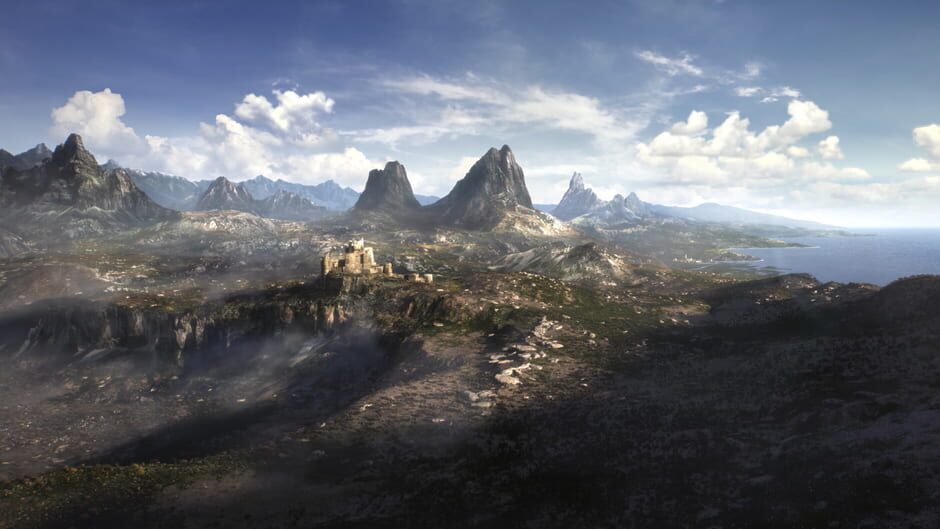
The spark was a LinkedIn bio belonging to former associate game designer Griffin DeClaire. The bio reportedly said DeClaire had worked on an "unreleased Elder Scrolls title," which, without further detail, led some fans to infer that Bethesda Game Studios might be quietly developing an additional Elder Scrolls game alongside the known project.
That ambiguity was compounded by the fact DeClaire was one of many developers impacted in recent sweeping Microsoft layoffs, which fans noticed when the LinkedIn post came to light. The combination of an evocative phrase — "unreleased Elder Scrolls title" — and personnel changes created the headline-friendly confusion.
The Source & Credibility
Per Eurogamer, the situation was clarified when FRVR contacted Griffin DeClaire. DeClaire confirmed the LinkedIn entry was referring solely to The Elder Scrolls 6. As he told the outlet: "To clarify, the posting is about TESVI. I was working directly on TESVI everyday in-engine before being laid off. Quite tragic, I really loved the work and was looking forward to seeing the fan reaction."
We should treat the original LinkedIn phrasing and the subsequent reaction carefully. The chain of events — a vague LinkedIn line, community inference, and a sourced clarification — is a neat example of how small statements can balloon into rumours. According to Eurogamer, this is less a smoking gun for a secret project and more a case of misinterpretation.
What It Could Mean
If true — and per Eurogamer the clarification suggests it is — the simplest reading is that the LinkedIn line referred to The Elder Scrolls 6 and not an additional, separate Elder Scrolls title. Take this with a pinch of salt, but the clarification reduces the likelihood that there was a second, undisclosed Elder Scrolls project implied by the original post.
Beyond that, the episode underscores the appetite for news about The Elder Scrolls 6. Eurogamer notes we still don't actually know too much about The Elder Scrolls 6, despite it having been announced eight years ago. There are a couple of developer-sourced snippets in the public record — that developers at Bethesda Game Studios "love how it looks" and "are playing it every day" — which only fuel speculation and excitement.
It also matters that Bethesda Game Studios is not a one-project shop. Eurogamer reports other projects in various stages: Fallout 5 is in pre-production, development on Fallout 76 is ongoing, and there are Fallout 3 and Fallout: New Vegas remasters being developed in partnership with Bethesda. Knowing there are multiple simultaneous efforts helps explain why fans sometimes expect multiple announcements or hidden teams — but it doesn't mean every ambiguous line points to a new game.
Why This Matters
Rumours feed hype, and hype drives expectation. This particular misread is a reminder that public-facing CVs and social posts can be interpreted in wildly different ways by an eager community. Per Eurogamer, the direct confirmation from Griffin DeClaire narrows the story: what looked like a new, secret Elder Scrolls game appears to be a reference to The Elder Scrolls 6 rather than an undisclosed title.
For fans, the takeaway is twofold: stay hungry for news, but temper excitement until claims are corroborated. We know only a little about The Elder Scrolls 6 and that multiple Bethesda-linked projects are in development, and that ambiguity can create noise. As ever, take rumours seriously enough to follow up, but treat unverified claims with skepticism — especially when a LinkedIn blurb can spark so much debate.


