

We at NerdLeaks have been following a striking claim that, if true, would reshape expectations for Nintendo's current hardware year. According to Eurogamer, which relays a report from Bloomberg, Nintendo is allegedly planning to produce 20 million units of the Switch 2 by the end of its current fiscal year, which finishes in March 2027. Take this with a pinch of salt — it's a big number, and it's coming after a controversial hardware price rise.
What was reported
Per Eurogamer (citing Bloomberg), Nintendo has revised its production target up to 20 million Switch 2 consoles for the fiscal year ending March 2027. That figure is presented as an upward revision from an earlier stated target of 16.50 million consoles in Nintendo’s previous financial report.
Eurogamer also points out that this planned output would effectively double the 19.86 million consoles that have already sold through in the Switch 2's first year on sale. Complicating matters: this production push reportedly comes after Nintendo announced a hardware price increase affecting the US, Canada, Japan and Europe — moves that are not expected to take effect until September 2026, per the same reporting.
The reported price changes mentioned by Eurogamer include the console rising in the US from $449.99 to $499.99, in Canada from $629.99 to $679.99, and in Europe from €469.99 to €499.99. Eurogamer also reiterates that Nintendo cited “changes in market conditions” and the “global business outlook” as reasons for the hike, and that the company issued an apology to customers.
The source and credibility
We are flagging this as a rumour: Eurogamer is the outlet reporting these details, and its piece explicitly attributes the production target to Bloomberg. That chain — Bloomberg reported it, Eurogamer relayed it — is worth noting for context when judging credibility.
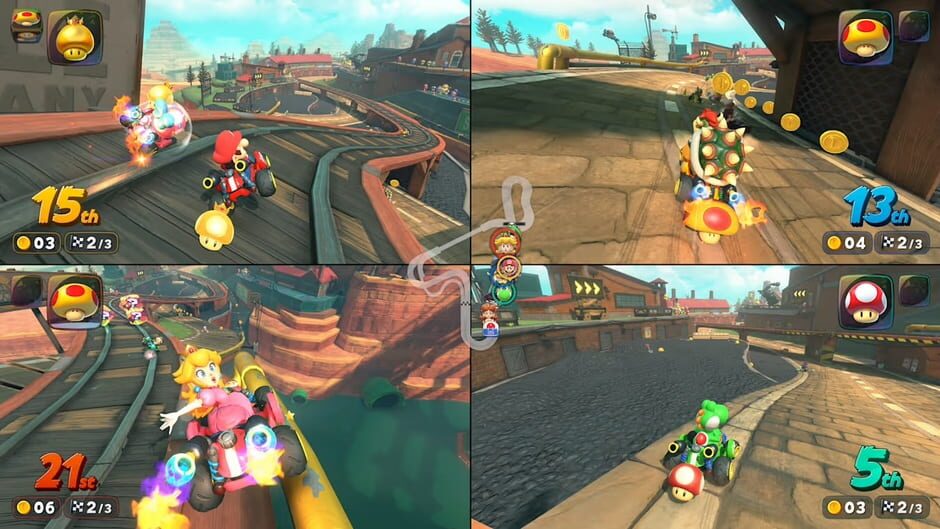
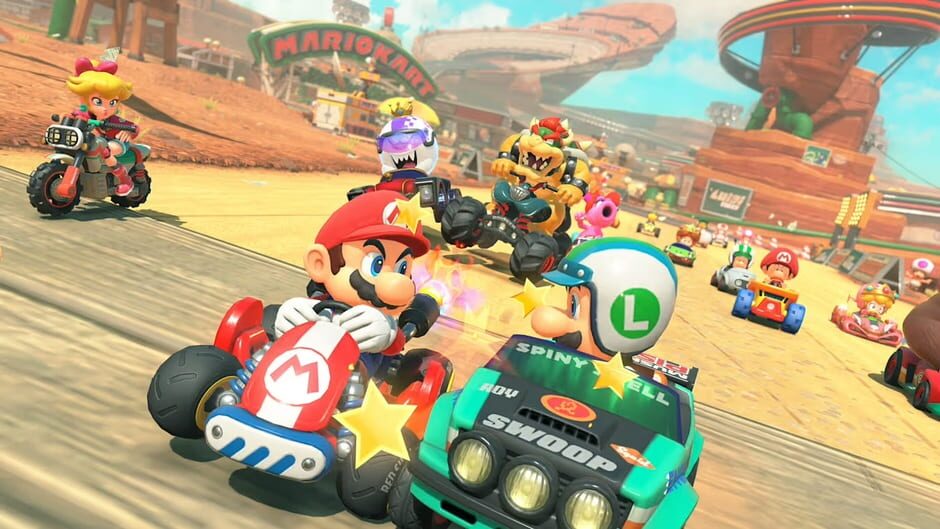
There are a couple of factors that make the claim plausible on its face: Nintendo has already seen strong demand for both Switch 2 hardware and software, with Eurogamer pointing to titles like Mario Kart World as examples of software helping to drive the platform. Nintendo has also previously revised its expectations — the piece notes that last year Nintendo revised Switch 2 sales from 15 million to 19 million after a strong start, even admitting the console “far exceeded its expectations”.
Still, we should be cautious: production targets can be changed, revised, or reported in different ways depending on internal forecasts, and Eurogamer is relaying what Bloomberg reported rather than presenting direct Nintendo documentation in this piece. So, as always, take the numbers with a pinch of salt until Nintendo confirms them directly.
What it could mean
If true, a 20 million unit production goal would be a strikingly bullish move from Nintendo. Here are some possible interpretations — again, speculative and contingent on the report being accurate:
- Pre-price-hike demand: Nintendo could be expecting a surge of purchases before the hardware price increases take effect in September 2026, with consumers rushing to buy at current pricing.
- Stronger-than-expected software pipeline: Eurogamer wonders whether more than a planned Star Fox remake or a new Fire Emblem title is underpinning Nintendo’s confidence — it even suggests there may be other big announcements in the pipeline.
- Long-term platform confidence: The move would signal Nintendo believes the Switch 2 can keep momentum and outpace short-term headwinds referenced in its pricing rationale.
None of the above is confirmed in the reporting — Eurogamer is careful to frame some of these suggestions as speculation, such as an offhand thought about a rumoured Ocarina of Time remake possibly being a factor. We will stress that these possibilities are offered to explain why Nintendo might set such an ambitious production target, not as established facts.
Why This Matters
This matters because a production goal of 20 million Switch 2 units by the end of the fiscal year would be a major commercial bet from Nintendo at a time when it has also raised prices and cited shifting market conditions. If true, it suggests Nintendo expects continued strong consumer demand for the platform despite higher MSRPs in multiple markets.
For players and the industry, the implications touch hardware availability, developer support, and the kinds of marquee releases Nintendo might reveal to justify such ambition. We'll be watching for confirmation from Nintendo and any further reporting from Bloomberg or other outlets, but for now this is a big rumour worth noting — and worth watching closely.


