


We’re tracking a huge and messy claim: a large archive of Steam uploads from a decade has allegedly been leaked online, and the fallout could be extensive if true. Per VGC, around 12-13 terabytes of data spanning 2003 to 2013 is reportedly available for download, and early examination of the files has already produced some surprising finds.
What Was Reported
According to VGC, social posts on X by fan accounts including Gabe Follower and Scolcer first flagged the archive. The contents are said to be not only final game releases but also early betas and prototypes that were uploaded to Steam during that decade — material that, in some cases, may never have been intended for public release.
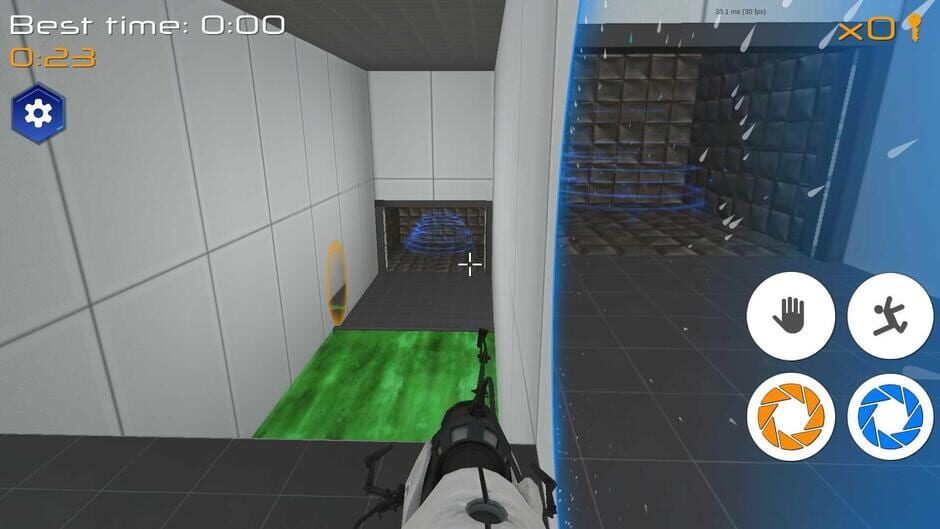
Among the specific Valve-related items reportedly present are early versions of Portal 2, Left 4 Dead, Counter-Strike: Global Offensive, the cancelled experimental camera puzzle game F-Stop, and potentially early content from Half-Life 2: Episode 3. Per the reporting, community members are already discovering things like early beta intros for Portal 2.
The leak allegedly goes beyond Valve’s catalogue. A publicly shared list of leaked items, highlighted by X user Aesthetic Gamer, reportedly includes third-party and publisher content — everything from indie titles to larger releases. Examples spotted so far include early or beta material for Batman: Arkham Asylum, a pre-release build of Dragon Age: Origins, betas of Vampire: The Masquerade – Bloodlines, prototypes of Mirror’s Edge from 2007, betas for Call of Duty 4: Modern Warfare, and betas of EA’s Spore. The list is said to contain other names such as Sonic 4 and a “ton of indie games.”
The Source & Credibility
Per VGC, the initial discoverers are Valve-focused community accounts on X rather than a mainstream news outlet, and a torrent file purportedly containing the archive is being shared online. VGC says it has seen the torrent but will not link to it.
There’s disagreement over how the files became exposed. Scolcer is quoted saying “There has been no hacking. This is 100% Valve’s fault,” and claiming the directory was publicly accessible with “no passwords. Nothing,” which is presented as an explanation for why the leak covers files up to 2013 (when Steam allegedly moved to a new storage system). Take that claim with a pinch of salt: it’s a strong assertion, but it’s being reported as the claim of an X user rather than an established fact.
We’re treating all of this cautiously. The community is “still researching everything,” Gabe Follower wrote on X, and VGC stresses that discoveries are ongoing and that verification is incomplete. In short: there are big claims, some early corroborations from researchers digging through the files, and significant uncertainty about origins and completeness.
What It Could Mean
If the archive really contains “everything that was published on Steam” during that decade, as one member of the community interprets it, the implications could be far-reaching. Publishers and developers beyond Valve may find previously unseen betas, prototypes, or internal builds out in the open — material that could contain unused content, private assets, or internal tooling.
- If confirmed, the presence of pre-release builds for titles like Dragon Age: Origins or Call of Duty 4: Modern Warfare could provide researchers and modders with unique insight into development histories.
- There are also potential legal and privacy issues if the archive includes proprietary tools or internal assets. That’s part of why the community reaction has been so intense and why some people are urging caution while verification continues.
We’ve seen high-profile leaks touch many corners of the industry this year — from unexpected footage to internal builds — and the appearance of such a broad Steam-era archive would be one of the largest of its type. For a reminder of recent, high-profile footage leaks and how companies respond publicly, see our earlier piece on the Iron Man footage situation.
It also raises questions about platform security and the broader digital distribution ecosystem — tensions that echo claims in discussions like the rumoured moves surrounding Xbox and its relationship with PC storefronts.
Why This Matters
Even at this early stage, the story matters for multiple reasons. First, it could reshape how we look at archival game history: betas and prototypes give scholars and fans context that final releases often omit. Second, if the leak includes third-party content, developers large and small may face exposure of internal assets they never intended to share.
Finally, there’s a transparency and security angle. Whether the archive was exposed through misconfiguration, as Scolcer claims, or through another method, the notion that such a trove could be accessible raises questions about how historical digital content is stored and protected.
We’ll continue to follow developments and report verified findings as community research continues. For now, take early discoveries with a grain of salt — there’s a lot to sift through, and the next few days may indeed be “insane,” per one of the original X posts.

