
I’m reporting that Ubisoft posted a dramatic swing in its first-half results for its 2026-27 fiscal year, with a large net loss and several worrying cash-flow measures — even if one big release apparently outperformed expectations.
What Was Reported
Per Insider Gaming, the headline figure is a reported €254.5 million net loss for the first half of Ubisoft’s 2026-27 fiscal year. Here are the core numbers and claims, laid out plainly:
- First-half net bookings: €644.7 million, down from €772.4 million in the same period a year earlier.
- Net bookings fell 16.5% year-over-year for the period.
- IFRS operating loss widened to €189.2 million (from €120.2 million a year earlier).
- Non-IFRS operating loss of €155.9 million versus non-IFRS operating income of €27.1 million the prior year.
- Non-IFRS net loss attributable to the parent: €199.4 million (compared to €37 million last year).
- Q2 net bookings reportedly reached €388.9 million, beating guidance of approximately €370 million.
- Back-catalog net bookings fell 40.8% to €438.8 million; digital net bookings declined 20.1% to €548.2 million.
- Player Recurring Investment allegedly fell 33.4% to €316.6 million.
- Non-IFRS cash flows from operating activities were an outflow of €323.9 million; net free cash flow was negative €338.1 million.
- Cash and cash equivalents at the end of September stood at €1.03 billion, and non-IFRS net debt was reported at €541 million, down from €1.149 billion at the end of September 2025.
- The €453 million put option on 2028 OCEANEs was reportedly exercised and settled using cash on hand in mid-November.
- Ubisoft is said to be progressing with a two-part refinancing plan and is maintaining full-year financial targets, including a forecasted high single-digit decline in net bookings and Q3 net bookings of approximately €250 million.
Quarter Highlights
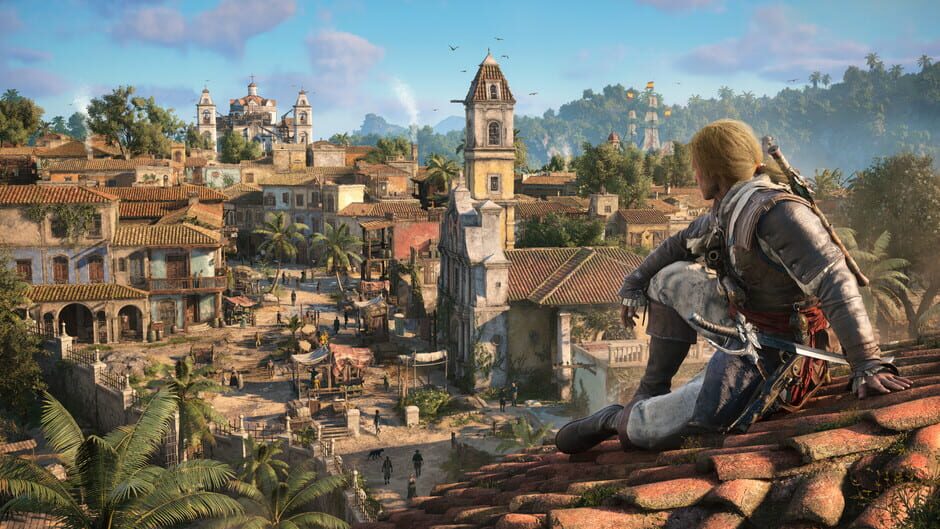
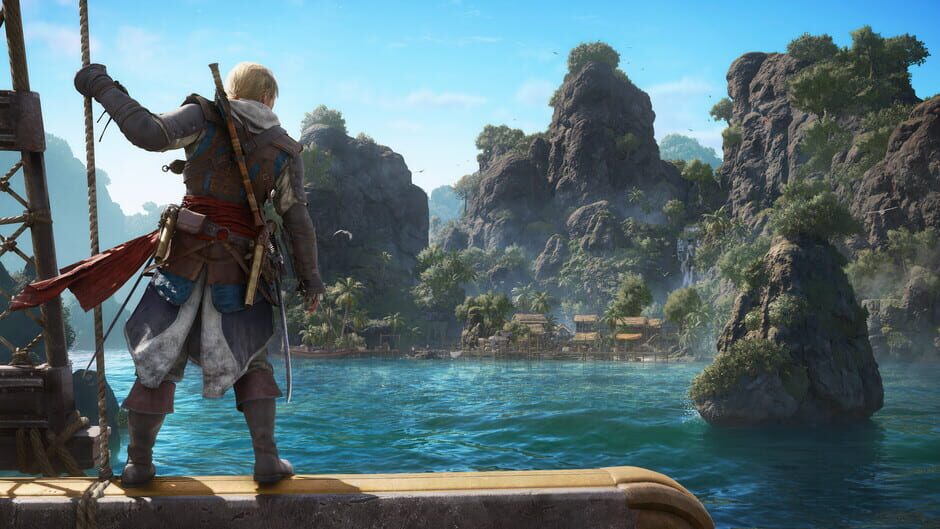
Insider Gaming reports that the quarter’s bright spot was Assassin’s Creed Black Flag Resynced, which allegedly outperformed expectations during its launch quarter. Ubisoft credited stronger in-game spending, a higher-than-expected share of premium editions, and a more targeted marketing approach for the better-than-guided Q2. The publisher also cited strong performances across the broader Assassin’s Creed catalog, Ghost Recon, and Invincible: Guarding the Globe.
The Source & Credibility
All of the figures above come from Insider Gaming, in a piece written by Mike Straw that lays out Ubisoft’s reported first-half results. Take this with a pinch of salt — financial summaries often include IFRS and non-IFRS adjustments and can be read in different ways — but the raw numbers quoted are specific and detailed.
I’m treating these items as reported claims: they are attributed to Insider Gaming and framed by the company’s own commentary as captured by that outlet. If true, the mix of heavy losses and a single strong launch paints a mixed picture that warrants scrutiny.
What It Could Mean
If these reported figures hold up, Ubisoft faces a tricky path. A stronger second quarter driven by Assassin’s Creed Black Flag Resynced reportedly wasn’t enough to offset first-half declines across back catalog, digital bookings, and recurring player spending. The company’s own commentary — per Insider Gaming — links future improvement to a stronger release slate and continued cost reductions.
- Real pressure on cash: the reported negative net free cash flow and large operating outflows suggest Ubisoft is relying on refinancing and cash reserves to bridge the gap.
- Refinancing and debt moves: the exercised put on 2028 OCEANEs and the two-part refinancing plan suggest management is prioritising liquidity and maturity extension.
- Franchise focus: Ubisoft’s stated plans allegedly include releases across Assassin’s Creed, Far Cry, and Ghost Recon, and an acceleration of its live-service business — moves aimed at returning to positive cash flow and profitability in future fiscal years.
It’s worth noting reported layoffs — 166 positions cut at Ubisoft’s Montreal and Quebec studios — sit alongside these financials and may be part of the cost-reduction story. For readers tracking Ubisoft’s long-term strategy, you can compare this to our earlier coverage about


