


We at NerdLeaks have been digging into a worrying claim: that Google's AI returned private, unrevealed development details about an indie game — details the developer says existed only inside their own Google Doc. Take this with a pinch of salt, but if true, this is exactly the kind of privacy nightmare that could reshape how small devs handle their design notes.
What Was Reported

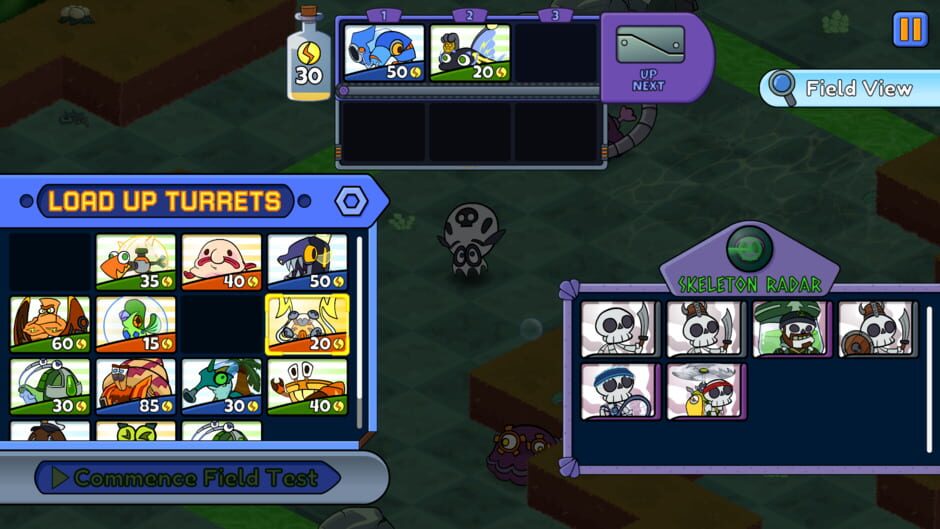
According to Kotaku, a solo indie dev behind the Steam tower defense game Operation Octo — who operates under the name Klub Kofta Studio — discovered that a community member on their Discord asked a Google AI about the game and received “obscure info that should not be available.”
Per Kotaku, Klub Kofta then asked that player to probe the AI about the game’s future content. The AI allegedly returned the exact and highly specific character name “Vantage Tripod”, a name the developer says they had never shared publicly. Klub Kofta told Kotaku that, as far as they knew, the only digital place the name existed was inside one of their private Google Docs — and that they had not personally interacted with the AI to surface that information.
The Source & Credibility
We’re cautious about repeating single-sourced claims at face value. That said, Kotaku reports the developer’s thread came via Reddit, and Kotaku relays the developer’s direct quotes. This is an anecdote from a solo creator about a relatively small Steam title, and we’re treating the claim as alleged rather than proven.
Conflicting Official Claims
There’s a wrinkle in the story: Kotaku also highlights a public statement from Google’s Product VP in 2023 claiming Google “do not use your Workspace data to train or improve the underlying generative AI and large language models that power Bard, Search, and other systems outside of Workspace without permission.” That would, on its face, contradict Klub Kofta’s experience.
But Kotaku points to a policy shift reported by TechCrunch: Google reportedly emailed customers in June saying it now uses saved history and media “to provide, develop, and improve its services (such as training generative AI models) and to protect Google, its users, and the public with the help of human reviewers.” Crucially, Kotaku reports that this setting is opt-out, not opt-in — meaning many users could be enrolled by default.
What It Could Mean
If Klub Kofta’s description is accurate, and if the policy shift Kotaku cites lets Google’s AI surface private Workspace content, several uncomfortable possibilities follow. Small developers who keep design notes in cloud docs might discover proprietary ideas appearing in public-facing outputs. That poses an intellectual property risk and could undercut trust for solo creators who rely on private workflows.
Equally, there’s an alternative explanation: as Kotaku notes, the 2023 statement and the June email don’t line up neatly, and the apparent exposure could be an odd collision of data sources or an AI hallucination. We should be careful to separate “allegedly leaked from Drive” from “AI guessed a plausible name.” The former is a privacy problem if true; the latter would be an embarrassing but different technical issue.
Broader Signals
This isn’t the only time odd leak vectors have impacted developers and games. We’ve covered other situations where external actors alleged access to unreleased content — for instance, our earlier coverage of other high-profile leaks and piracy incidents has shown how fragile pre-release environments can be (Leaked: Pirates Allegedly Have Hands On Game Freak’s New RPG Days Before Launch).
At the same time, platform and policy changes ripple through dev communities — something we’ve chronicled in other platform-focused rumours (Rumour: Xbox Allegedly Preparing An Exit Strategy From Steam).
Why This Matters
Look, whether you’re a solo creator or run a small studio, allegations like this should make you double-check where your ideas live. Per Kotaku, the developer says the only digital copy of “Vantage Tripod” was in a private Google Doc — and if a cloud service can surface that, the consequences for trust and IP protection are significant.
That said, we need more evidence. This report is based on an individual developer’s experience relayed through Kotaku, and there are conflicting official signals about Google’s use of Workspace data. We’ll keep pushing for clarification, and we advise devs to audit their settings — especially given the policy change Kotaku cites where saved history and media can be used for model development unless you opt out.
For now, treat this as an unsettling alleged leak that underscores two truths: cloud convenience comes with trade-offs, and AI systems can complicate the boundary between private notes and public outputs. We’re watching this closely and will update if more verifiable information emerges.
