


We at NerdLeaks have been digging into a fresh confession from a veteran Valve dev that, if true, rewrites a small slice of early online gaming infamy. Chet Faliszek, identified in GamesRadar as the Left 4 Dead 2 project lead and a Valve veteran, has admitted in a YouTube video that Valve's team leaked their own trailer after the ESRB blocked them from releasing it officially, according to GamesRadar. Take this with a pinch of salt — but it’s an eyebrow-raising moment for anyone who remembers the drama around that era.
What Was Reported
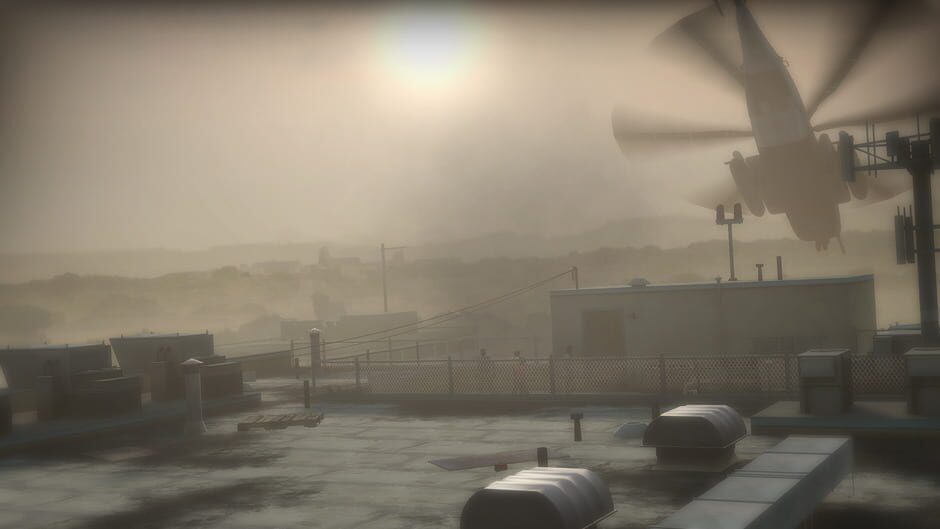
According to GamesRadar, Chet Faliszek describes a situation in which an early trailer for Left 4 Dead 2 was not allowed to be released by the ratings board. In a candid moment he tells viewers, "We leaked our trailer," and adds, "I think we can't get in trouble for that now, it's like 20 years ago," per GamesRadar's coverage of the YouTube confessional.
Faliszek reportedly links the leak directly to the encounter with the ESRB, saying the team leaked the trailer "ahead of time because they wouldn't let us release the trailer." He also explains that the confrontations with the ratings board influenced changes to the game's language — "that's why a lot of the language had to get toned down," GamesRadar reports. The YouTube piece itself is framed around "lost lines" from Left 4 Dead that were cut from the game but showed up in files, and the leak admission emerges while Faliszek discusses that topic.
The Source & Credibility
We should be clear about our sources here. The admission comes directly from Chet Faliszek in a video described by GamesRadar. Faliszek is identified as a project lead on Left 4 Dead 2 and as a long-time Valve employee, which gives weight to the claim. That said, the context is anecdotal: a retrospective confession in a YouTube video rather than contemporaneous documentation or an official Valve statement.
Why We Should Be Cautious
- The claim is reported via GamesRadar from a YouTube confessional and is presented as Faliszek remembering actions from years ago.
- Memory and context can be fuzzy; statements like "I think we can't get in trouble for that now" are informal and reflect recollection rather than a legal finding.
- We should treat the admission as a credible insider recollection but not definitive proof of a coordinated, documented policy by Valve at the time.
All of that said, the account comes from a prominent former member of the team and therefore merits attention rather than dismissal.
What It Could Mean
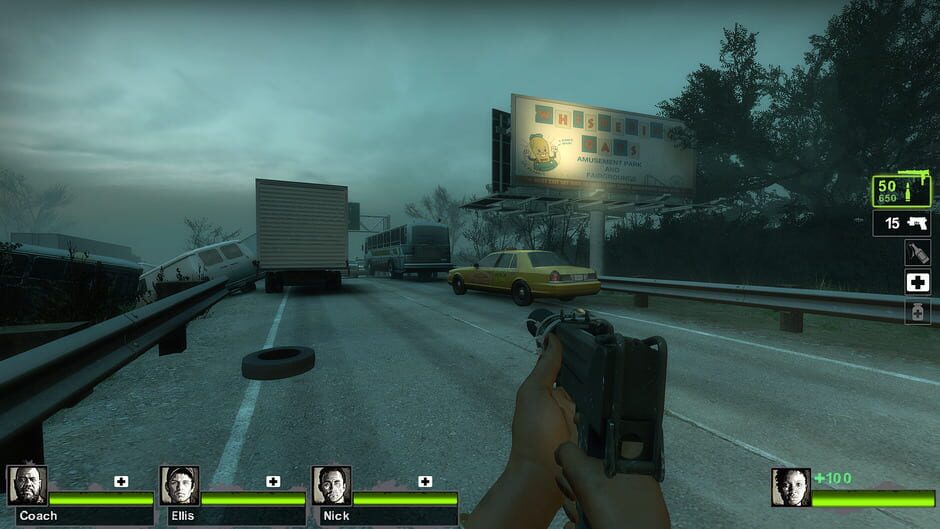
If true, this admission adds a layer to how we understand early modern leak culture and developer tactics. A developer-led leak to circumvent a ratings board decision suggests the team prioritized getting a particular message or tone into public hands — even if it meant sidestepping official release channels, according to GamesRadar.
Practical takeaways, if you accept the claim, include:
- Trailers and early promotional material can have complicated origins — “leaks” are not always third-party breaches.
- Ratings board interactions can materially change a game's public language and marketing, which Faliszek says led to toned-down language in Left 4 Dead 2.
- Historic leak lore may include intentional moves by developers; that reshapes how fans and historians interpret old "leaked" footage.
We’re also reminded of ongoing interest in uncovered or "lost" assets: GamesRadar notes the video centers on "lost lines" uncovered in game files. This confession ties into a broader pattern of revelatory discoveries and archive stories we’ve tracked elsewhere, such as discussions around archived Valve depots and historical betas — including coverage that touches on Left 4 Dead 2 betas — and other recent high-profile leak narratives like Diablo 4 rumours.
Why This Matters
We care about this revelation because it humanises and complicates the idea of "leaks." Fans have long chased early footage and rumored trailers, often assuming third-party theft or accidental exposures. An admitted, intentional leak from the development team itself — if true — changes the provenance of some of that footage and invites a re-examination of how we catalogue gaming history.
It also speaks to developer responses to external gatekeepers like ratings boards. Whether you view the move as rebellious PR savvy or a questionable workaround, it highlights how creative teams sometimes react when official channels close off their options.
Ultimately, we’ll be looking for more corroboration — if there’s any documentation, contemporary posts, or other eyewitness accounts that back up Faliszek’s memory, we’ll report it. For now, this is an eyebrow-raising insider admission from a named project lead that offers a new angle on a familiar piece of gaming lore — allegedly leaked, and now confessed.


