

We’re tracking a bleak turn in the troubled life of MindsEye. According to Push Square, multiple recent reports suggest that developer Build A Rocket Boy is “on the cusp of shutting down completely” after a string of high-profile problems tied to the PS5 action-shooter.
What Was Reported
Core Claims
Per Push Square, sources who “very recently lost their jobs” at Build A Rocket Boy have relayed that the studio faces imminent closure. The outlet reports that this follows “several rounds of significant layoffs,” with the first round arriving “just weeks after the game's release.”
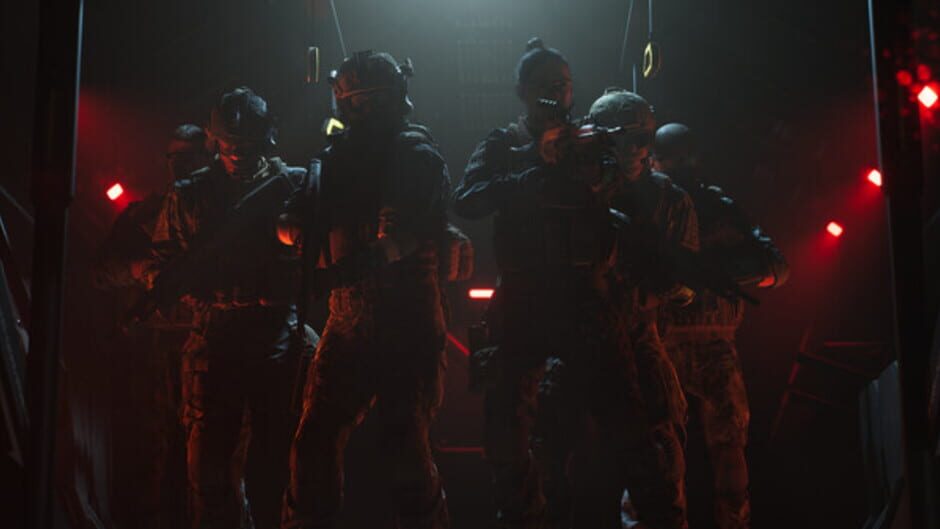
MindsEye itself is described in blunt terms by Push Square — an ambitious PS5 action-shooter that “launched back in June of last year” and was “panned by both reviewers and players for being a bug-ridden and confusingly designed mess.” The reports claim Sony was even “approving refunds on PS5” for the title, and that despite the studio’s efforts via “a number of updates,” the game “was simply never good enough” to mount a comeback.
Push Square also highlights that the project was “spearheaded by former GTA producer Leslie Benzies,” noting the contrast between the game's lofty ambitions on paper and the reception it actually received.
The Source & Credibility
Who Is Saying What
Push Square points to multiple threads of corroboration: social signals from “various LinkedIn posts from now ex-employees” and reporting from Kotaku, which the outlet says has “in-the-know sources” confirming the situation. While there has not been an official statement from Build A Rocket Boy announcing a shutdown, Push Square frames the studio’s closure as “almost certainly coming” based on those combined indicators.
Take this with a pinch of salt: the window between reports of layoffs and formal corporate action can include denials, rescues, or restructuring. Push Square is not presenting an official confirmation from the studio, and the available signals are a mix of employee posts and third-party confirmation.
What It Could Mean
For The Studio And Staff
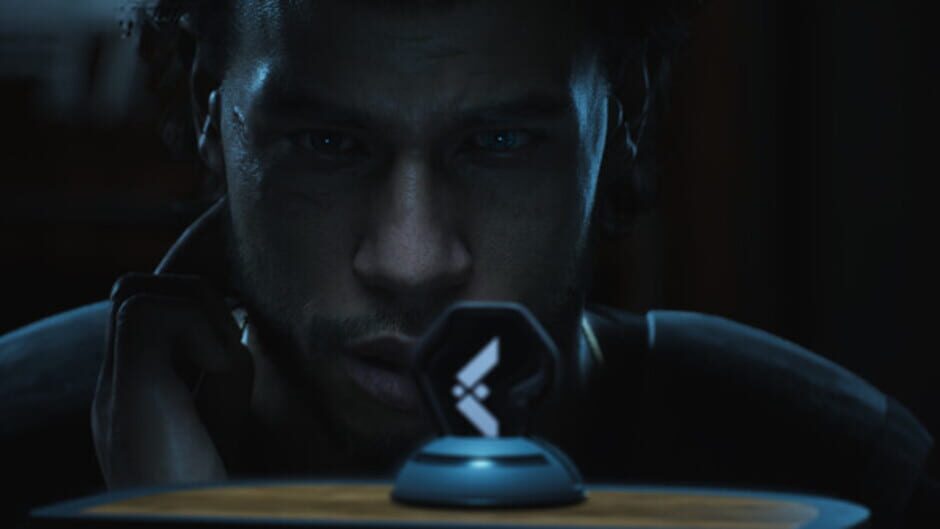
If the reports are accurate, the immediate human toll is clear: people who very recently lost their jobs are central to the narrative. That, combined with “several rounds of significant layoffs,” paints a picture of a team that has been shrinking for some time. The lack of an official closure notice leaves open the possibility of either a formal wind-down, a buyout, or other outcomes — but for now, the available information suggests a grim path forward.
For MindsEye And Its Future
Push Square recounts that Build A Rocket Boy “vowed to turn things around” with post-launch updates. Yet the reporting claims the product problems were structural: the game was “never good enough on a fundamental level to fuel some kind of Cyberpunk 2077-style comeback,” per the outlet. If true, that would make further investment from partners or platform holders less likely, and places MindsEye in a precarious position when it comes to ongoing support or preservation.
We’ve seen situations where troubled projects are quietly shelved even when a dev remains nominally active; we’ve also seen studios fold entirely. Right now, the evidence pushed by Push Square points to the latter as the most likely near-term outcome.
For context on how platform-specific issues can complicate post-launch plans, see our earlier coverage of the PS5 upgrade for Ghost Recon Wildlands. And for a reminder of how high-profile claims around big franchises can end up contested, consider our piece about the GTA 6 build.
Why This Matters
This story matters for several reasons. First, it is a reminder of how risky large, ambitious console projects can be for relatively small studios — especially when post-launch reception is harsh and payouts are contingent on player goodwill. Second, there’s a human dimension: reports that employees were recently let go and that a studio may be shutting down speak to livelihoods and careers disrupted by a troubled product cycle.
Finally, if Build A Rocket Boy does close, it will close the chapter on a game that many players, reviewers, and platform operators found deeply problematic, and will further stoke conversations about accountability, management, and quality control in modern game development. As always, we’ll continue to follow developments closely — and, if new confirmations emerge, we’ll report them.

