


We’re reporting a dramatic turn for Last Sentinel that, if true, would mark the collapse of one of the most ambitious “rival to GTA” projects of recent memory. Kotaku reports that the game’s backer, Tencent, reportedly decided not to move forward with the project “as it stands” after a recent development review, and that decision is being tied to the large-scale layoffs that hit Lightspeed LA.
What Was Reported
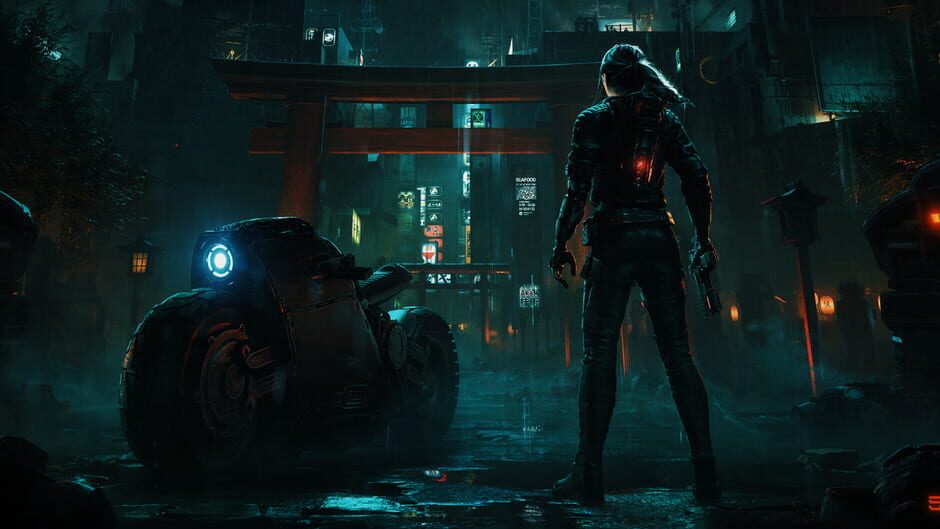
Per Kotaku, Last Sentinel was billed as a glossy, cinematic sci-fi open-world action game from a new studio made up of ex-Rockstar talent — and it received a high-profile reveal at the 2023 Game Awards. Despite that reveal, Kotaku reports the game never showed gameplay publicly and that production reportedly began six years ago and “had already cost hundreds of millions.”
The report claims a playtest earlier this year “bombed,” after which Lightspeed LA was reportedly given one last chance to improve the project. The “final review” allegedly came back earlier this week and Tencent “decided not to move forward with the project as it stands,” a move Kotaku connects to the previously reported mass layoff of 80 developers from the studio.
Kotaku’s account also highlights internal issues cited during the review: an alleged lack of clear direction, vision, and strong management on the project, including criticisms aimed at project head Steve Martin, a 14-year veteran of Rockstar Games who previously managed its San Diego office. The project is described as “overly ambitious” for a new studio and reportedly “blew through budgets and deadlines.”
The Source & Credibility
We’re citing Kotaku for this story, which in turn referenced reporting that drew on a development review and internal sources. Take this with a pinch of salt: Kotaku frames several details as reported or alleged, including the playtest result and the studio-management critiques.
Kotaku also relays a comment from a spokesperson — “Lightspeed LA remains open and continues to build games” — suggesting the shop itself is not shuttering outright and that some version of the project may continue in some form. That line is included in Kotaku’s reporting and provides a counterpoint to the more dire claims.
We’re flagging that some specifics are described as “reported” or “alleged” in Kotaku’s account; where Kotaku attributes a claim to internal reviews or sources, we’ve reflected that uncertainty. If true, the scale of investment and the claimed decision by Tencent would be notable, but the underlying evidence is described in Kotaku as coming from internal reviews and reporting rather than public documentation.
What It Could Mean
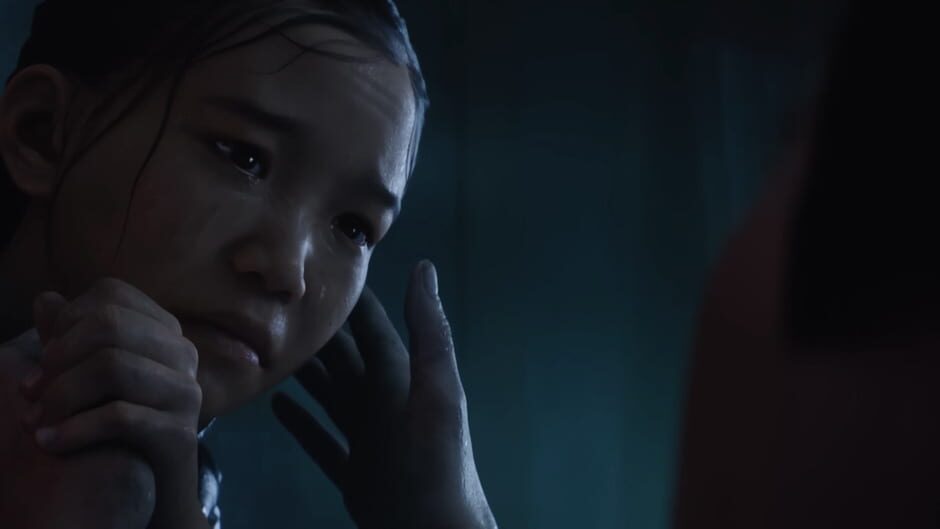
If Kotaku’s reporting is accurate, this would be a major signal about both the fate of a high-profile project and Tencent’s approach to big-budget console ambitions. Kotaku reports that Tencent “ultimately decided not to move forward” and that the company is “pivoting away from AAA gaming,” language that, if true, could affect many funded projects.
- For Lightspeed LA: The studio reportedly remains open, but losing a flagship project — or having that project radically re-scoped — would change staffing, priorities, and morale.
- For Last Sentinel: The game is described as having been expensive and long-running. If the project is abandoned “as it stands,” it may be retooled, sold, or quietly shelved; Kotaku’s reporting leaves room for some version of the project to continue, per a spokesperson’s remark.
- For Tencent-backed Studios: Kotaku links Last Sentinel’s apparent problems to a broader pattern: Kotaku notes other Tencent-funded studios that didn’t ship, including the closure of TiMi Montreal and past shutdowns like Team Kaiju in 2023. The report also mentions other pandemic-era projects that fizzled, including MindsEye, which Kotaku says became the worst-rated game of 2025 and faced employee-spying controversies.
Why This Matters
Take this with a pinch of salt, but if Kotaku’s reporting holds up, the fallout from a cancelled or radically reworked Last Sentinel would be significant for talent, investors, and fans who were promised a “GTA-quality cyberpunk open world.” The claims of six years of work and “hundreds of millions” in spending — if accurate — would represent a costly bet that, according to Kotaku, didn’t pay off.
We’re watching this closely. Kotaku’s account contains multiple reported and alleged details; we’ll flag updates as they emerge and recommend treating the biggest claims as tentative until more direct evidence or confirmation appears.


