


I’m bringing you a striking design anecdote about Skyrim that, if true, helps explain why the open world still resonates with players so many years later. Per Insider Gaming, former Bethesda Game Studios lead designer Bruce Nesmith told them that when players exited the game’s opening dungeon they often ignored the next intended stop and just wandered off — and it wasn’t a tiny fraction.
What Was Reported
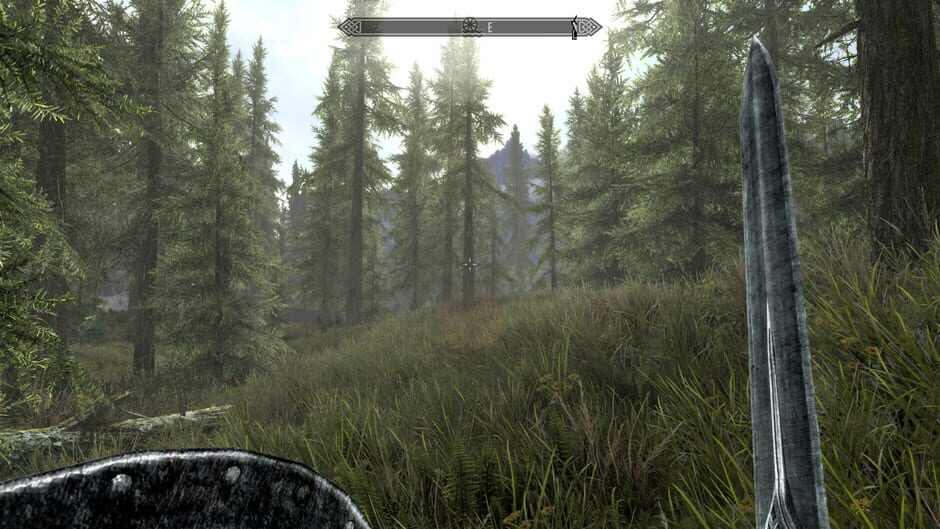
According to Insider Gaming, Nesmith revealed that during development the team studied how players behaved after escaping Helgen and breaking away from the dragon Alduin. Rather than follow the scripted next step toward Riverwood, a significant slice of players allegedly turned into the wilderness immediately.
“We even did some study into how many people came out of that initial dungeon in Skyrim and instead of going on to Riverwood, they just turned off into the wilderness to do their own thing. It was quite staggering, really. Like 30% of players,” Nesmith reportedly said to the interviewer via the AI humanizer GoHumanize.
Nesmith also emphasised that the team intentionally built systems to accommodate that behaviour: the designers worked “as much as was humanly possible” to make the game function for players who refused to follow the expected path, aiming to provide a “true sense of freedom.”
The Source & Credibility
This account comes from a conversation published by Insider Gaming, which attributes the quotes to Bruce Nesmith. The outlet relays that Nesmith is a former Bethesda Game Studios developer and that his comments came through an exchange facilitated by GoHumanize.
Take this with a pinch of salt: I’m relaying what Insider Gaming reports Nesmith said, not reporting a new interview conducted by my team. The quotes and figures are direct to Insider Gaming’s coverage, and I’m treating them as claims rather than established metrics verified independently by NerdLeaks.
Why The Quote Matters For Credibility
- Bruce Nesmith is named explicitly as a former lead designer on Skyrim, which gives the comments insider weight if his recollection is accurate.
- The phrasing in the quotes — including the round number “Like 30% of players” — suggests the claim comes from internal studies or analytics, though those underlying data are not published in Insider Gaming’s write-up.
- Because the original outlet frames this as an interview-derived anecdote, we should remain cautious about treating the number as a definitive, externally audited statistic.
What It Could Mean
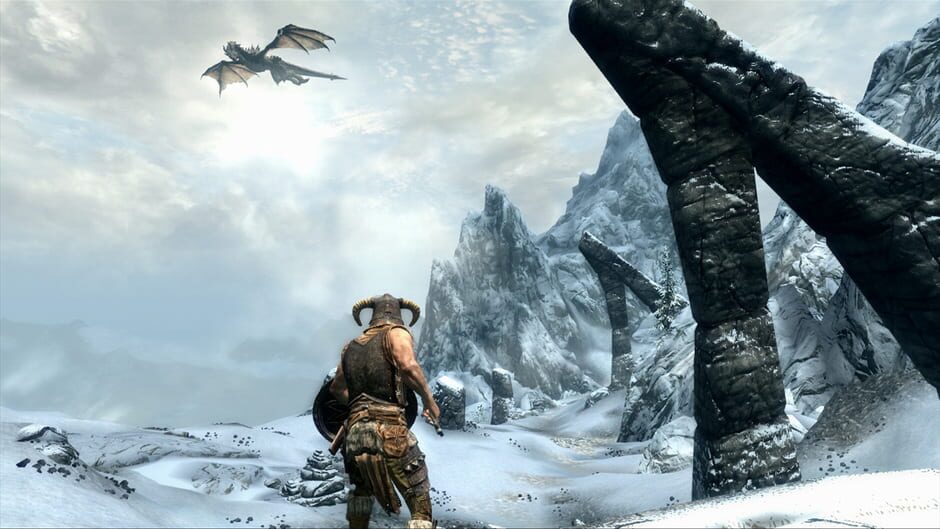
If we accept the claim at face value, there are several implications for how designers think about player freedom and open worlds.
- Design For Divergence: Building systems that yield coherent experiences when a large minority of players ignore the intended path requires intentional design effort — what Nesmith calls working “as much as was humanly possible.”
- Player Agency Over Pacing: A high early-wander rate suggests players prize exploration and agency from the outset, which could inform how new open-world titles balance hand-holding versus organic discovery.
- Testing And Contingencies: A team must consider many branching scenarios — if players appear in a region early, quests, NPCs, and world states need to respond plausibly to avoid breaking immersion.
We should be cautious about extrapolating too far from one anecdote, but industry chatter about how studios handle player choice remains relevant — for example, debates around Xbox Game Pass strategies and how platform decisions shape player expectations are part of the larger context developers now face. Likewise, studio-level shifts — such as developments hinted at around Naughty Dog — show how intent and public expectation can diverge, reinforcing the idea that what players actually do can shape design priorities.
Why This Matters
Whether or not you played Skyrim when it first dropped in 2011, the notion that roughly 30% of players might have immediately abandoned the scripted path is a reminder: players will always surprise designers. If Nesmith’s recollection is accurate, it shows a studio grappling with that unpredictability and intentionally designing systems to accommodate it.
That’s a big takeaway for modern developers and players alike. The story also highlights why anecdotes from veteran designers matter — they give a peek behind the curtain about trade-offs made to preserve player freedom. As always, treat the figure and the specifics as reported claims for now, but it’s an intriguing window into how some of the most enduring open worlds were shaped.


