


We’re following a fresh, potentially huge leak that Insider Gaming reports has exposed older Steam files belonging to Valve and third parties. If true, the dump allegedly covers content from 2003 to 2013 and includes early builds of major titles — but take this with a pinch of salt: Valve has not publicly confirmed the archive or its contents.
What Was Reported
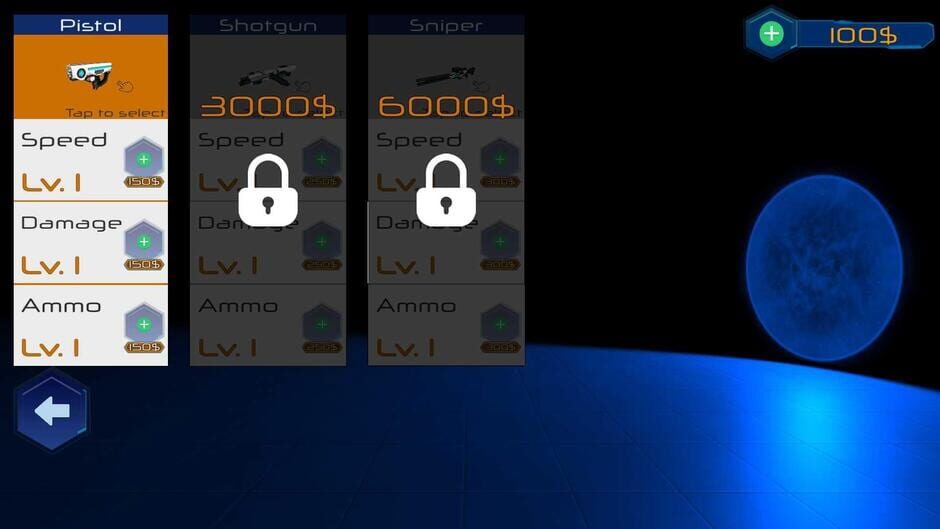
Per Insider Gaming, a reported 12TB archive (the coverage also references a 13 Terabyte figure) allegedly contains files from Valve and third-party developers dating from 2003 to 2013. The purported contents allegedly include early versions of Portal 2, Counter-Strike: Global Offensive, and "potential info" on Half-Life 2: Episode 3.
The leak was first spotted on social media by @GabeFollower on X, and researcher @scolcer shared clips that reportedly show skills removed from a beta of Portal 2. According to the reporting, the data was obtainable from a publicly accessible endpoint — the claim being that "there has been no hacking" and that the files were "hidden in plain sight" with "no passwords" protecting them.
Insider Gaming notes the leak contains a "huge amount" of third-party content as well — meaning files or betas from other games that were on Steam before 2013. The outlet also cautions that it could take time for the full dataset to be processed and verified.
The Source & Credibility
Who Shared The Claims
The public thread that triggered this coverage involves posts from @GabeFollower and @scolcer on X. @GabeFollower asserts the archive was accessible without authentication and blames Valve for leaving the endpoint exposed. @scolcer tweeted that the repository appears to be "the complete repository of Valve" and highlighted examples such as removed skills from a Portal 2 beta.
What We Can Verify
- Insider Gaming reports the leak and the social posts described above.
- Insider Gaming also reports that Valve has not confirmed the archive or its legitimacy.
- The claim that the data came from a public endpoint and that "no hacking" was involved is attributed to the social posts cited by Insider Gaming.
We’re treating these claims skeptically. The core allegations come from social posts identified by Insider Gaming, and while the screenshots and clips shared are provocative, the company named in the leak — Valve — has not made a public statement attesting to the archive’s origin or contents. So, for now, these remain unproven but potentially consequential allegations.
What It Could Mean
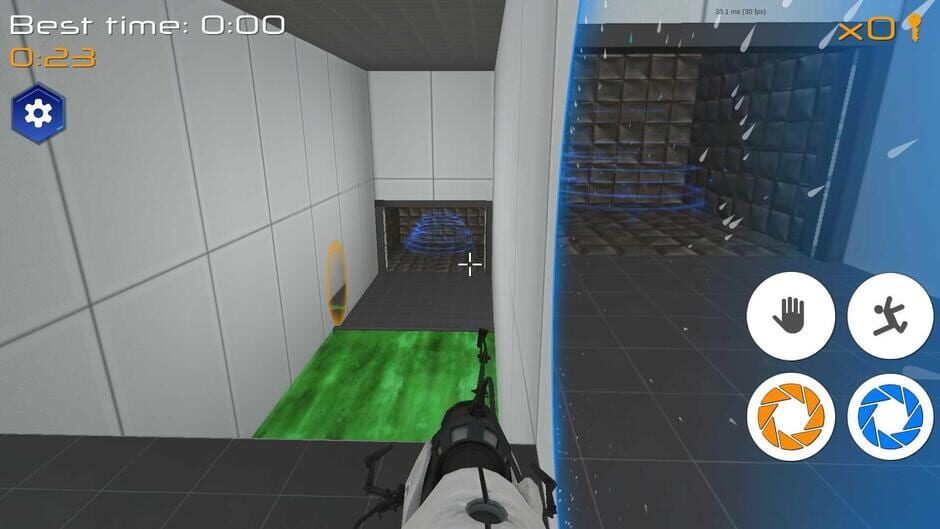
If the archive is genuine and contains what is being claimed, the implications are several-fold. First, the presence of early builds or removed content for games like Portal 2 and Counter-Strike: Global Offensive would be a rare look into development history. Second, any material relating to Half-Life 2: Episode 3 would again fuel long-standing community interest in the franchise.
There’s also the reported scale and breadth of the leak to consider. Insider Gaming relays that the dataset allegedly spans a decade and includes third-party material that was hosted on Steam before the platform switched storage systems in 2013. That third-party angle raises questions about other developers’ assets being included without their knowledge.
We won’t speculate beyond what’s been reported, but this development touches on issues we’ve seen discussed in other Steam-centric coverage — including the community reaction to large-scale dumps. For context, we previously covered a similar-sounding situation in Decade Of Steam Content Allegedly Dumped Online. There are also platform-level conversations that sometimes follow such breaches; see our report on Xbox Allegedly Preparing An Exit Strategy From Steam for one example of how platform relationships become part of the discussion.
Why This Matters
Whether this archive is 12TB, 13 Terabytes, or something else, the critical points are the alleged scope, the claim that the endpoint was publicly accessible, and the inclusion of both first-party and third-party content. If true, developers and publishers could face exposure of in-development materials and betas they never intended to surface.
We’ll be watching for confirmation from Valve and for more thorough verification of the files themselves. For now, treat the claims as unconfirmed but noteworthy — this is the kind of leak that, if real, could reshape how people look back at games and developer archives from that era. Take this with a pinch of salt, but expect the story to evolve as more data is processed and vetted.

