


We’re following a strange and tantalising piece of gaming archaeology: according to Kotaku, files from a huge Steam leak have revealed a never-released and apparently playable online prototype of Scream developed by Fatshark. If true, the find is being shared and experimented with by people who dug through the dump — but take this with a pinch of salt while details remain incomplete and unofficial.
What Was Reported
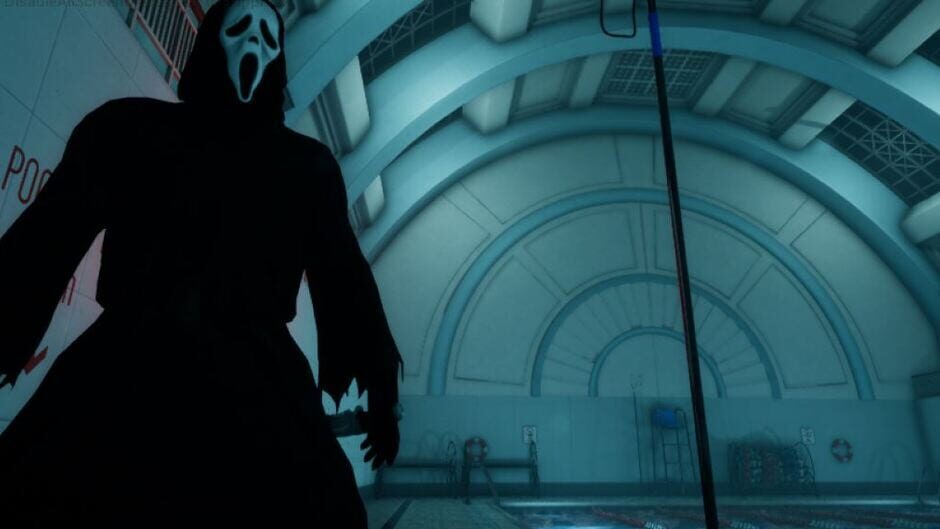
Kotaku reports that a massive leak of Steam depot data spanning from 2003 to 2013 — roughly 13 terabytes of material — was combed through by hobbyist dataminers over the weekend. One Twitter user, Roly Poly Reaper, posted on August 31 about discovering several unfinished builds of an unannounced Scream game inside that archive.
Per Kotaku, the finder claims they were able to run some of the builds on a local PC and even got a later build to run with multiplayer support using goldberg emu + radmin VPN. Footage shared by the finder allegedly shows multiple players as survivors trying to escape and one player controlling the mask-wearing killer, Ghostface.
Datamined information in the leaked files reportedly suggests the proto-Scream project was developed by Fatshark around 2011. The builds and project folders are allegedly named "Scream_Pitch" and "Screampitch_inside", which the finder interprets as indicating the contents were likely a pitch rather than a shipped game. Kotaku also notes the last version in the leak seems to have been worked on in February, described as a few months before Scream 4's theatrical release.
The Source & Credibility
The initial public thread and footage came from a single dataminer on Twitter, and Kotaku is the outlet reporting those claims. The leak itself is alleged to be the same enormous Steam depot dump that others are excavating; you can see related coverage of that broader archive in our earlier take on the decade of Steam content and the story that suggested a massive Steam archive may be sitting in public repositories. Take these connections into account: the discovery sits on top of a larger, messy trove of assets being pulled into the open by many hands.
Evidence cited by the finder includes playable builds, multiplayer footage, and folder names inside the dump. That is compelling, but it is still essentially a third-party reconstruction from leaked assets. We should treat claims about development timelines and intent — notably that this was "just a pitch" — as plausible but unconfirmed. As ever with leaks, the provenance and completeness of files can be unclear, so remain sceptical even as the clips look real.
What It Could Mean

If the datamine and the playable footage are authentic, this would be an odd what-if in horror game history: an asymmetrical, online Scream project developed by Fatshark before many of the later genre hits existed. Kotaku points out that this would have predated a wave of popular asymmetrical horror titles, naming Dead By Daylight and Friday The 13th as later examples of the format that became well known.
There’s also a contemporary angle: Kotaku draws a comparison between the leaked Ghostface "ghost mode" and a similar killer mode seen in pre-release materials for Halloween: The Game, which is said to be launching this month. If the mechanic in the leak is representative of what creators were experimenting with back then, it suggests a long-standing interest in stealthy, teleport-like killer abilities in asymmetrical designs.
- Could an accepted pitch from this prototype have altered the timeline of asymmetrical horror? Possibly — but that is speculative.
- Does the leak help historians and modders understand early thinking on killer mechanics? If true, yes: the builds and named folders are useful clues.
We’re excited by the possibilities but cautious: the files are incomplete and the usual caveats about leaked material apply.
Why This Matters
This discovery matters because it pulls back the curtain on a lost branch of development that might have shaped genre trends — or might have been one more abandoned idea hidden in archives. Whether this was a pitch, a prototype, or something closer to a finished product, seeing playable footage and multiplayer attempts gives us a rare peek at design experiments that never reached players.
We’ll keep digging and watching the community around these leaked builds, and we’ll update if anything more concrete emerges or if primary sources from the original developers comment. For now, take the find with the usual scepticism that accompanies leaked assets, but enjoy the curiosity of seeing an alternate path the genre might have taken.


